
Technical Architecture – How Each Technology Works
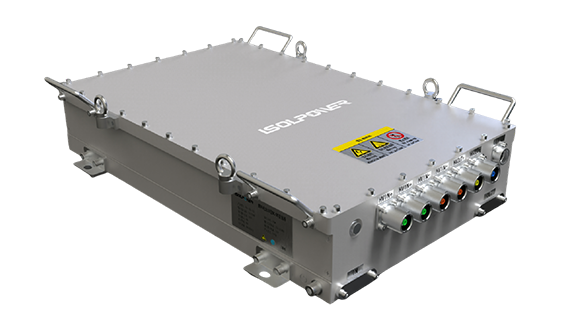
Hydrogen rectifiers are the critical interface between the grid (or renewables) and the electrolyzer. Two dominant technologies exist today: thyristor (SCR) and IGBT. Thyristor-based systems typically require additional SVG and harmonic filters. IGBT-based systems use PWM rectification and multi-phase interleaved DC/DC stages.
Key Performance Differences: Harmonics, Response Time, Efficiency
IGBT-based rectifiers achieve THDi ≤3%, power factor >0.99, and response time <100ms (0-100% load step), with low output ripple and modular design. In contrast, thyristor rectifiers suffer from high harmonic injection (often >10-20%), large output voltage ripple, and second-level load response – making them unsuitable for fluctuating renewable power.
Application Scenarios – Which One Fits Your Project
For projects that rely on wind, solar, or weak grids, the fast dynamic response of IGBT rectifiers protects the electrolyzer from voltage/power surges and maximizes green hydrogen output. For stable, grid-only industrial hydrogen production, thyristor-based solutions may still be cost-effective. However, as the industry moves toward renewable-dominated and off-grid hydrogen production, IGBT technology is becoming the de facto standard.